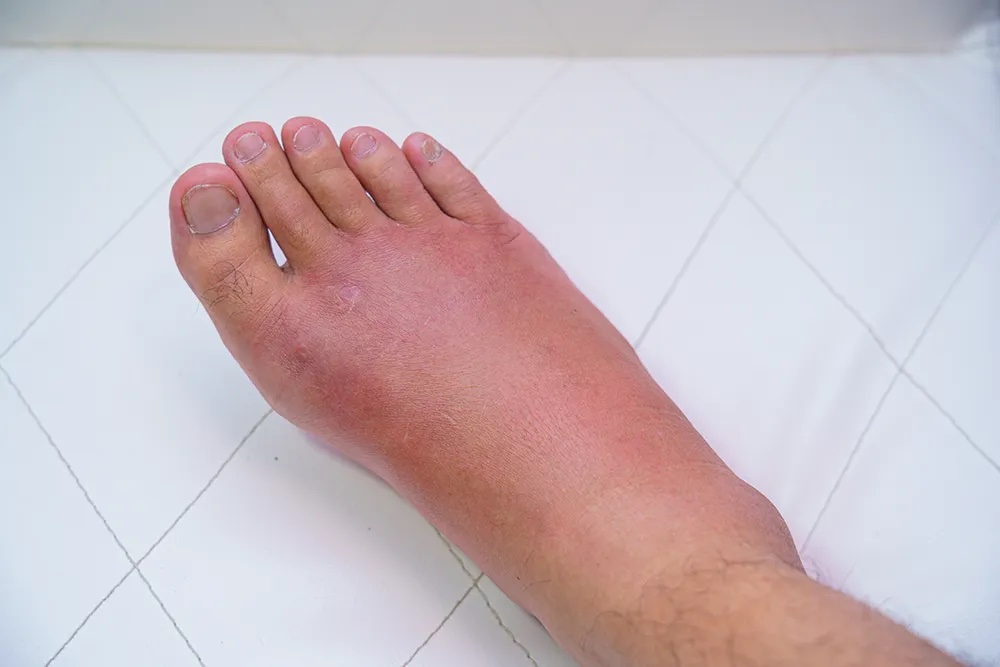
What is Complex Regional Pain Syndrome?
Complex Regional Pain Syndrome (CRPS) is a chronic neuropathic pain disorder that usually affects the upper or lower extremities and occurs after an injury to tissue, bone, or nerves. The onset of CRPS often correlates with a recent traumatic event (fracture), or surgery. In some cases, it can happen spontaneously.
Causes of CRPS
The exact cause of CRPS is still unknown; however, it's been theorized that the autonomic nervous system, specifically the sympathetic nervous system is responsible for the sustained pain response. Also, an immune response is triggered, causing inflammatory changes such as redness, swelling, and heat of the affected limb.
What type of CRPS do I have?
There are two types of CRPS based on the cause of the injury:
CRPS I (formally Reflex Sympathetic Dystrophy): CRPS I is triggered by a soft tissue injury (no suspected peripheral nerve injury). This is considered a mild injury.
CRPS II (formally Causalgia): CRPS II is triggered by damage, or trauma to peripheral nerves. This is considered a more severe injury.
Both types of CRPS have similar clinical presentations.
What are symptoms of CRPS?
The most common symptom of CRPS is a persistent, burning pain within a region. It is often out-of-proportion to the cause of pain and continues even after the injury has healed. You may notice changes in skin color, swelling, and excessive sweating caused by autonomic dysregulation. Another symptom is significant pain by stimulus that should not cause pain, like putting on socks, a jacket, or a light touch (allodynia). A thin or shiny appearance to the skin and/or sensitivity to hot or cold temperatures are also symptoms of CRPS. Other symptoms can include involuntary muscle spasms, joint tenderness, and limited mobility that leads to weakening of the muscles (atrophy). In addition, some patients report sleep disruption, hair thinning, or loss of hair. Many experience worsening of depression or anxiety due to pain and loss of function.
How do I know if I have CRPS?
A provider at Advanced Spine and Pain will perform a comprehensive medical history as well as a physical exam to establish a diagnosis based on the Budapest Criteria.
Budapest Criteria:
- Continuing pain that is out-of-proportion to causative event
- Reports at least one symptom in three of four following domains:
- Sensory: hyperalgesia and/or allodynia
- Vasomotor: temperature asymmetry, skin color changes/asymmetry
- Sudomotor/Edema: edema or abnormal sweating
- Motor/Trophic: decreased ROM, motor dysfunction (weakness), trophic changes (hair loss)
- Evidence of at least one sign in two or more of the following domains:
- Hyperalgesia and/or allodynia on exam
- Temperature asymmetry and/or skin color abnormalities demonstrated
- Visible edema, sweating changes
- Evidence of decreased range of motion or motor dysfunction
What treatment options are available for CRPS?
Physical Therapy: Providers may recommend physical therapy to improve range of motion, strength, and to help reduce pain.
Medications:
- Supplementation with Vitamin C (may prevent CRPS or improve recovery)
- Pain relievers such as Tylenol, or NSAIDS
- Corticosteroids
- Bone loss medications (bisphosphonates can reduce pain)
- Antidepressants such as duloxetine, amitriptyline and nortriptyline
- Anticonvulsants such as gabapentin, carbamazepine, phenytoin, pregabalin, topiramate and levetiracetam
Cognitive Behavioral Therapy
Sympathetic Nerve Block of the affected nerve plexus. The purpose of the block is to reset the sympathetic nervous system that controls pain and temperature. As a result, the patient experiences pain relief and improved temperature of his/her extremities.
- If CRPS affects the upper extremities, a Stellate Ganglion Block (SGB) can be performed.
- If the CRPS affects the lower extremities, a Lumbar Sympathetic Block (LSB) can be performed.
Spinal Cord Stimulator or DRG Stimulator: Placing stimulating electrodes within the epidural space next to the spinal cord provides a tingling sensation to the painful area to minimize the painful response.
Smoking cessation reduces the risk of CRPS.
Disclaimer
This content is for educational purposes only and is not intended as medical advice. Always consult with a qualified healthcare provider regarding your specific health needs. If you are experiencing a medical emergency, call 911.